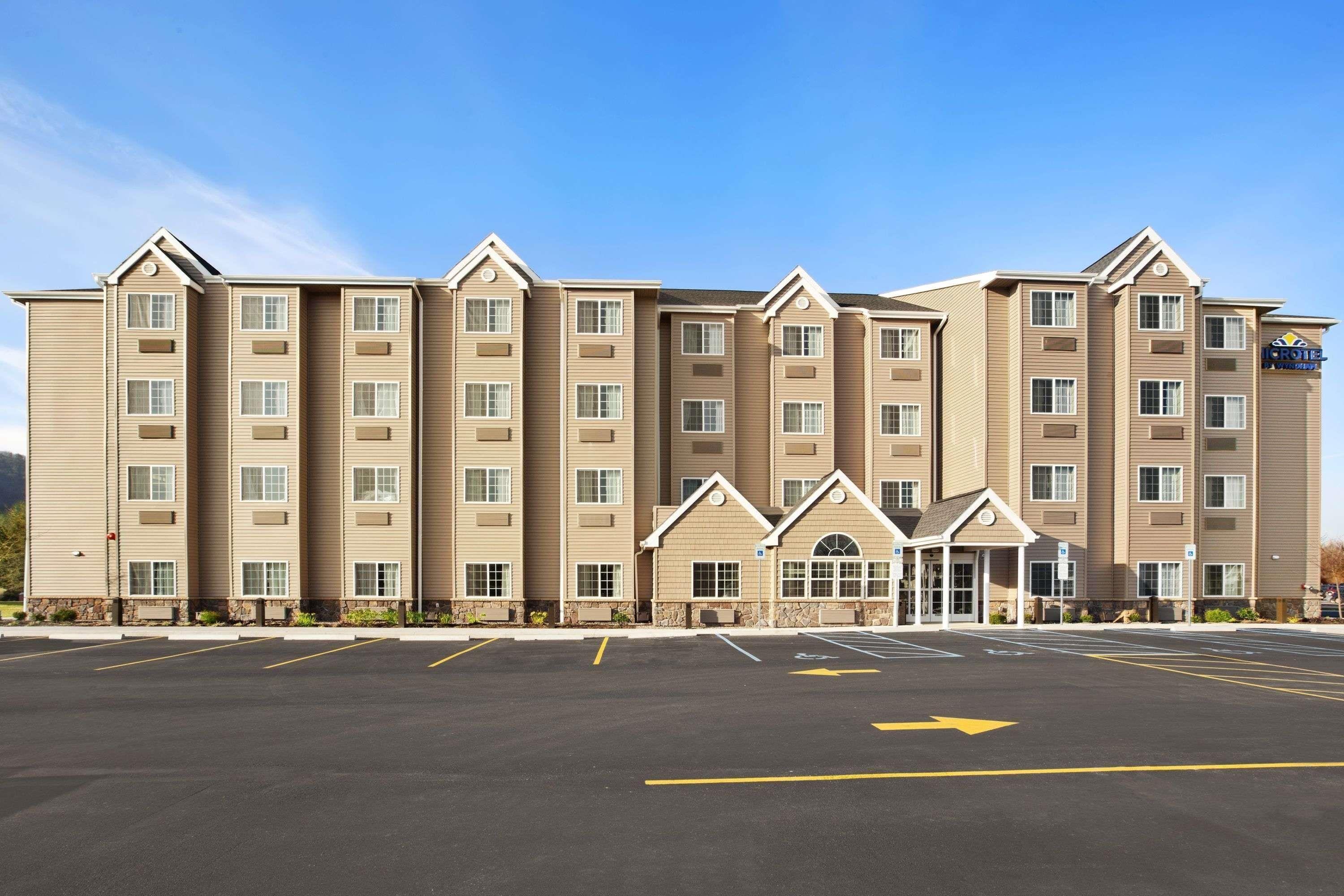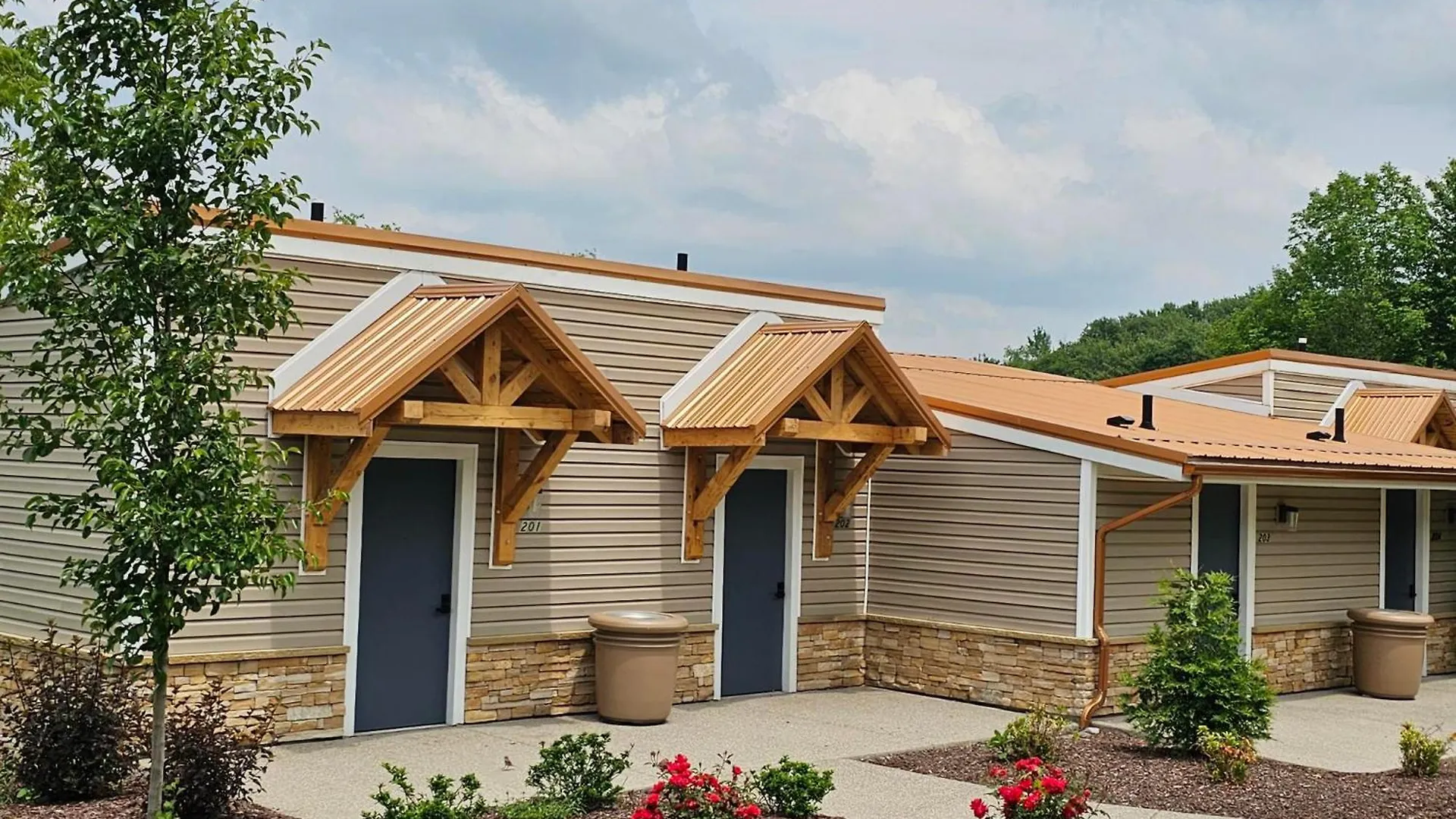
The Appalachian Mountains stretch over 2,400 kilometers across 14 states, offering leisure travelers an extraordinary variety of landscapes - from the waterfalls and gorges of West Virginia to the rolling ridges of Pennsylvania and the wooded plateaus of Tennessee. Choosing the right base significantly affects how much you can explore without losing time to long drives. This guide covers 9 carefully selected leisure hotels across key Appalachian destinations, helping you match your travel style to the right property and location.
What It's Like Staying in the Appalachian Mountains
Staying in the Appalachian Mountains means trading urban density for access to trails, waterfalls, historic landmarks, and scenic byways - but it also means planning transportation carefully, since public transit is virtually nonexistent across most of the region. A personal vehicle is essential for reaching most attractions, whether you're visiting Fallingwater in Pennsylvania or exploring the Cumberland Plateau in Tennessee. The region draws a mix of hikers, road-trippers, and history seekers, with peak crowds concentrated around fall foliage season - the mountains see around 40% more visitor traffic in October compared to summer months.
Leisure travelers who enjoy slow-paced exploration, nature immersion, and uncrowded roads will find the Appalachians deeply rewarding. Those expecting walkable urban neighborhoods or resort-style amenity clusters will likely feel isolated.
Pros:
- Exceptional access to natural landmarks including Fallingwater, Horseshoe Curve, and the Appalachian Trail
- Far lower hotel rates compared to East Coast city hotels, with more space per dollar
- Low crowds outside of October, making weekday stays especially peaceful
Cons:
- No meaningful public transportation - driving is mandatory between most towns and attractions
- Limited late-night dining and entertainment options in smaller towns like Crossville or Farmington
- Weather can shift dramatically by elevation, requiring flexible itinerary planning year-round
Why Choose Leisure Hotels in the Appalachian Mountains
Leisure hotels across the Appalachian region are specifically positioned to serve travelers prioritizing outdoor access, relaxed pacing, and regional character over business-oriented convenience. Unlike urban hotels that charge a premium for location, many Appalachian leisure properties include free parking - a practical necessity when driving is the primary mode of transport - and feature amenities like indoor pools, hot tubs, and on-site restaurants that make after-hike recovery part of the stay itself. Room sizes tend to be notably larger than comparable city hotels, and several properties sit within a short drive of major landmarks, making them strategic bases rather than just overnight stops.
Prices across the region vary by location, but leisure hotels here can cost around 40% less per night than comparable-quality hotels in urban mid-Atlantic destinations, making multi-night stays financially accessible for most travelers.
Pros:
- Free parking is standard across nearly all properties, eliminating a significant daily cost
- Properties are positioned near key attractions - Fallingwater, Horseshoe Curve, Pennsylvania Grand Canyon - reducing driving time
- On-site amenities like indoor pools and restaurants support full rest-and-explore leisure rhythms
Cons:
- Fewer dining alternatives within walking distance - on-site restaurants matter more here than in cities
- Some smaller properties lack the staffing depth of urban hotels, with limited concierge services
- Airport access is limited - most regional airports are over an hour's drive from the best-situated hotels
Practical Booking & Area Strategy for the Appalachian Mountains
The Appalachian Mountain region spans multiple states, so choosing the right base town is more important than in a single-city trip. In Pennsylvania, towns like Altoona, Mansfield, and Uniontown offer strong access corridors - Altoona sits within 6 km of Horseshoe Curve, while Uniontown places you within 23 km of Fallingwater, one of Frank Lloyd Wright's most visited works. In West Virginia, Charleston provides urban infrastructure with access to the New River Gorge National Park. In Tennessee, Crossville on the Cumberland Plateau is a quiet base for nature-focused travelers who prefer to avoid tourist-dense towns.
Book at least 6 weeks in advance for October stays, when fall foliage drives occupancy to near capacity across the entire corridor. Outside peak season, last-minute rates can be significantly lower, particularly in smaller towns. Popular activities include hiking the Appalachian Trail, visiting Fallingwater and Kentuck Knob, exploring Mammoth Cave connections in the south, kayaking New River Gorge, and driving the Laurel Highlands scenic route in Pennsylvania - plan your base around whichever cluster of attractions matters most to your itinerary.
Best Value Leisure Stays
These properties deliver strong practical value for leisure travelers - free parking, functional amenities, and proximity to key Appalachian attractions - at accessible price points across Pennsylvania, Tennessee, and West Virginia.
-
1. Lodge At Chalk Hill
Show on map


 Check-infrom 15:00 until 20:00Check-outfrom 08:00 until 11:00
Just a few rooms left at the best rate!
fromUS$ 92
-
2. Economy Inn
Show on map


 Check-infrom 14:00 until 23:00Check-outfrom 10:00 until 11:00
Just a few rooms left at the best rate!
fromUS$ 60
-
3. Executive Inn
Show on map


 Check-infrom 15:00 until 23:59Check-outuntil 11:00
Just a few rooms left at the best rate!
fromUS$ 50
-
4. Dunmore Inn
Show on map


 Check-infrom 15:00 until 23:30Check-outuntil 11:00
Hurry – almost gone at this price!
fromUS$ 75
-
5. Quality Inn Belle Vernon
Show on map


 Check-infrom 14:00 until 23:59Check-outuntil 11:00
Hurry – almost gone at this price!
fromUS$ 91
Best Premium Leisure Stays
These properties offer elevated amenities - indoor pools, on-site restaurants, spa facilities, and landmark proximity - for leisure travelers who want comfort and access without sacrificing the Appalachian experience.
-
6. Historic Summit Inn
Show on map


 Check-infrom 16:00 until 23:59Check-outuntil 11:00
Hurry – almost gone at this price!
fromUS$ 254
-
7. Hampton Inn Charleston Downtown
Show on map


 Check-infrom 15:00 until 23:59Check-outuntil 12:00
Rooms filling fast – secure the best rate!
fromUS$ 98
-
8. Altoona Grand Hotel
Show on map


 Check-infrom 16:00 until 23:59Check-outuntil 11:00
Rooms filling fast – secure the best rate!
fromUS$ 174
-
9. Hampton Inn & Suites - Mansfield
Show on map


 Check-infrom 15:00 until 23:59Check-outuntil 11:00
Rooms filling fast – secure the best rate!
fromUS$ 134
Smart Travel & Timing Advice for the Appalachian Mountains
The Appalachian Mountains have two distinct peak windows: October for fall foliage - when the entire ridge system from Georgia to Maine turns amber and crimson - and summer weekends between late June and August, when families and hikers flood trailheads and waterfall sites. Booking during these windows without advance planning means paying premium rates and finding limited availability at the most character-rich properties like Historic Summit Inn.
For leisure travelers prioritizing value and space, mid-September and early November offer a compelling alternative - temperatures are still walkable, foliage begins in September at higher elevations, and hotel availability opens significantly. A stay of around 4 nights gives enough time to cover two or three major attractions without rushing between locations. Book at least 6 weeks ahead for October, and consider Sunday-to-Thursday stays to avoid weekend rate spikes that can affect even rural Appalachian properties. Last-minute deals appear most reliably in January through March, when the region is quiet but trails and roads are accessible to prepared travelers.